
Forbearance exits saw their fastest pace since March, the Mortgage Bankers Association reported Monday afternoon in its weekly Forbearance and Call Volume Survey.
Category: News and Trends

Sponsored Content from WFG: MBA Reports of Falling Per-Loan Profits Prompt Calls for Greater Efficiencies
On Aug. 30, Mortgage Professional America reported “Independent mortgage banks and mortgage subsidiaries of chartered banks reported hefty declines in their profit in the second quarter of 2021.”
Joe Puthur of Mortgage Coach: Fair Lending Compliance is a Competitive Advantage
Strengthening mortgage accessibility industry-wide is not a burden, but an opportunity that should be embraced. Every qualified loan is good business and new affordability goals and programs instantly broaden the marketplace of eligible buyers.
Prashant Kothari of SitusAMC Insights: Title, Mortgage Industries Share Same Challenges; None Insurmountable
Prashant Kothari is Managing Director of SitusAMC’s Title Production Services and has nearly three decades of mortgage and title industry experience. He began his career in the mortgage division of Kidder, Peabody & Co. followed by multiple roles at Freddie Mac, including working in the Freddie’s Office of the President.
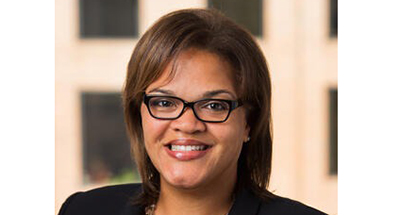
Biden Nominates Alanna McCargo to Head Ginnie Mae
The Biden Administration on Monday nominated Alanna McCargo as President of Ginnie Mae.
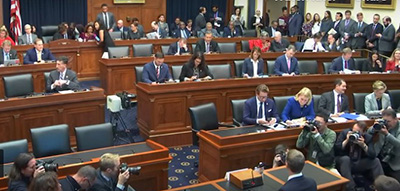
MBA Letter Offers Support, Recommendations for House Committee Budget Markup
As the House Financial Services Committee this week begins the reconciliation process for a number of fiscal 2022 legislative and budget priorities, the Mortgage Bankers Association sent a letter to Committee leadership offering support for several programs and recommendations for others.
MISMO Issues Call for Participants for New Workgroup Focused on Creating Business Reference Architecture
MISMO Workgroup Will Create Blueprint for Deploying MISMO Standards In Order to Maximize Efficiencies and Streamline Implementation
Dealmaker: Newmark Lines Up $230M to Refinance Edition West Hollywood Hotel
Newmark, New York, arranged $230 million to refinance The West Hollywood Edition Hotel on Sunset Boulevard in Los Angeles.
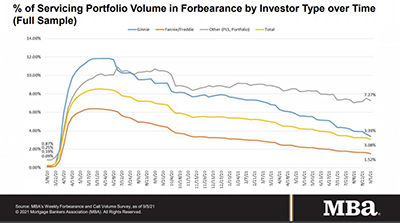
Share of Mortgage Loans in Forbearance Drops to 3.08%
Forbearance exits saw their fastest pace since March, the Mortgage Bankers Association reported Monday afternoon in its weekly Forbearance and Call Volume Survey.
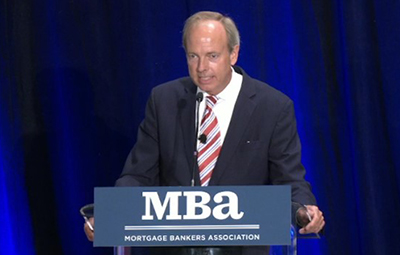
Broeksmit: MBA Focused on Regulatory Issues
WASHINGTON—Mortgage Bankers Association President & CEO Robert Broeksmit, CMB, told attendees here at the MBA Regulatory Compliance Conference as Congress and the Biden Administration put plans into shape, the Association will continue to seek balance and advocate for the real estate finance industry.