

Four Characteristics of Modern Homebuyers (sponsored by ServiceLink)
By: Dave Howard, EVP, Origination Services, ServiceLink

Most lenders and mortgage industry insiders would say they have a pulse on the borrowers they serve. They generally know what homebuyers need to navigate the process — and have been effective in meeting those needs for years. But times are changing. Modern homebuyers are making decisions with more than just their wits and their wallet.
Brand new data from the 2026 ServiceLink State of Homebuying Report highlights key characteristics about today’s borrowers that go deeper than just their desires and dealbreakers. With a focus on getting inside the mind of the homebuyer, we’re learning more about their emotions, frustrations and decision-drivers. This firsthand buyer sentiment provides a roadmap to better serve borrowers and understand how they process through the homebuying journey.
So, what are the characteristics of today’s buyers? First off, they’re swamped with stress.
Stressed:
Few experiences can be as emotionally taxing as navigating the homebuying and home lending process. With so many concurrent variables, it’s no surprise that feeling “stressed” was a continual theme and a defining characteristic among recent borrowers in the survey.
The good news is, borrowers have been able to pinpoint the portions that are the most stress-inducing – giving industry professionals insight about where they may be stuck or struggling.
The home price offer and negotiation process ranked highest on the stress scale at 19%. As one male millennial respondent wrote, “As first time buyers, we were constantly worried about overpaying in a competitive market while trying to keep our offer attractive.”
The second most frequently cited source of stress was understanding the paperwork (15%). Buyers said contracts and disclosure documents are dense with legal terminology, making them difficult to navigate — which increased their anxiety. The closing process (12%), securing a good mortgage rate (12%) and finding the right lender (10%) rounded out the top five.
Together, these findings point to a clear opportunity for lenders to reduce stress by becoming steady guides throughout the homebuying or lending process. Proactive communication and consistent reassurance can help buyers feel confident that procedures and timelines are being handled with care. Breaking down legal jargon into plain language simplifies complex paperwork, while early education about how mortgage rates affect monthly payments and long‑term costs helps set realistic expectations. By pairing clarity with guidance, lenders can turn a potentially overwhelming experience into one that feels manageable and transparent.
Time-strapped:
The homebuying process often unfolds as cycles of urgency. With pressure to act quickly — whether to submit a competitive offer or secure a favorable interest rate — it is understandable that buyers frequently feel constrained by time throughout the transaction. “It felt high-stakes, fast-moving and uncertain with pressure to make the right choice,” wrote one Gen Z buyer.
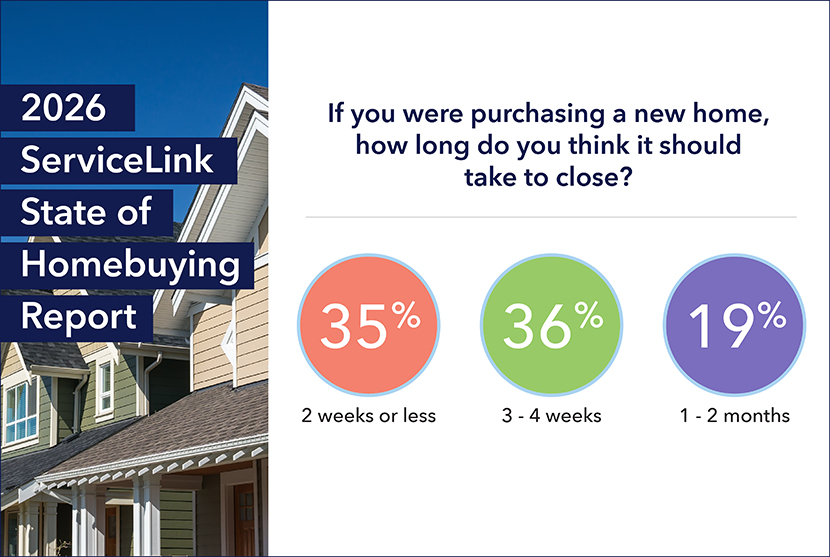
Despite feeling the crunch, many borrowers have a tight timeline of their own in mind. Thirty-five percent of survey respondents think it should take two weeks or less to close on a new home. While the industry average is around 30 to 40 days, borrowers are demonstrating that they expect speedier transactions.
While the gap between expectation and reality is evident, it is not insurmountable. Lenders that collaborate with trusted, technology-enabled vendor partners are better positioned to manage pipelines efficiently, enhance transparency and reduce cycle times. By leveraging capabilities such as instant title solutions, digital appointment scheduling and flexible closing options— including hybrid and virtual experiences — lenders can make meaningful progress in meeting borrowers’ increasingly compressed timelines.
Inventive:
In a housing market that boasts high home prices and elevated interest rates, today’s homebuyers are approaching these barriers with a blend of resourcefulness and calculated risk. They’re using their creativity to get the home they want and they’re not afraid to ask for help.
In addition to some of the more traditional sources of funds to generate a down payment such as cash or savings, 401(k) monies, gifts or inheritances – industry professionals need to be prepared for an emerging trend that has been steadily growing. Survey findings indicate that a combined 21% of respondents pooled money with family and/or friends for a down payment so they could buy the home together. Co-buying, as it is called, accounted for roughly 30% of home sales in the U.S. in 2025, according to the CoBuy 2025 Report.
While co-buying can make homeownership achievable to more individuals, it has the potential to lead to complicated exit strategies and shared liability issues, should those buyer relationships sour.
This presents an opportunity for lenders to guide borrowers to lesser-known funding sources including down payment assistance programs and targeted educational resources — helping to strengthen individual purchase readiness, improve outcomes and mitigate risk.
Digitally fluent:
The fourth characteristic defining today’s homebuyers is their clear understanding of and expectation for technology in the mortgage process. Modern borrowers want to use digital tools, and they increasingly expect the home lending experience to mirror the efficiency and convenience of other everyday transactions. In fact, many would be more inclined to work with a lender that offers robust digital capabilities.
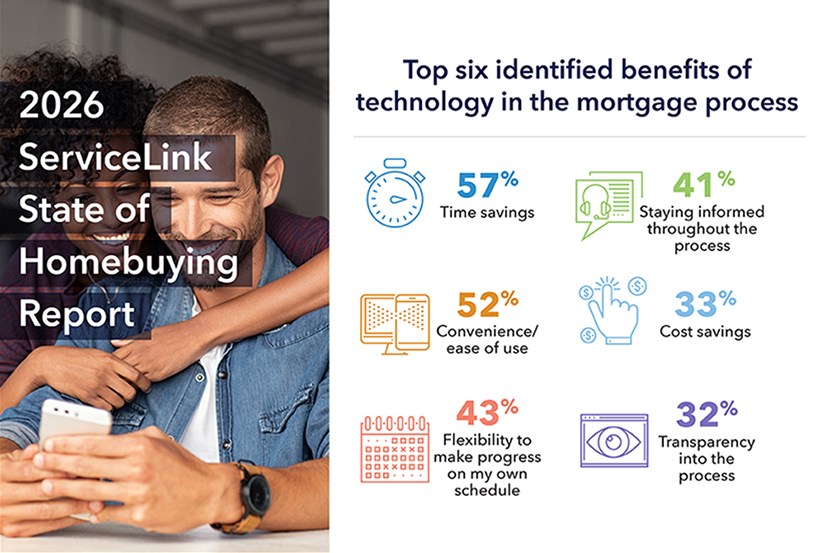
So why is mortgage technology so appealing? Borrowers cite time savings (57%), convenience and ease of use (52%) and the flexibility to make progress on their own schedule (43%) as the primary benefits.
The survey went a step further by asking which specific technologies would influence a borrower’s choice of lender — an area where industry professionals may want to closely evaluate whether their current tech stack meets borrower expectations.
What, then, would tip the scales in a lender’s favor? The ability to electronically sign some or all closing documents ranked highest (88%), followed by the option to self-schedule appraisals or closing appointments via smartphone or tablet for the exact date and time of their choice (87%). Borrowers also expressed a strong preference for lenders that offer virtual closings (82%). Millennials led responses across all of these categories, underscoring that technology is no longer viewed as a luxury, but as an essential part of the lending experience.
Conclusion
While lending practices have certainly evolved over the years, lenders today have even greater opportunities to meet borrowers at their point of need. Reducing stress, improving processing times, providing more education and delivering a tech-enabled experience can certainly go a long way in achieving that goal. The lenders that take the time to understand the characteristics of today’s borrowers will be better positioned to serve them accordingly.
(Sponsored content includes material submitted independently of the Mortgage Bankers Association and MBA NewsLink and does not connote an MBA endorsement of a specific company, product or service. For more information about sponsored content opportunities, contact Bill Farmakis at bill@jlfarmakis.com or 203/834-8832.)
