

Office-to-Apartment Conversions Continue to Gain Traction, RentCafe Reports
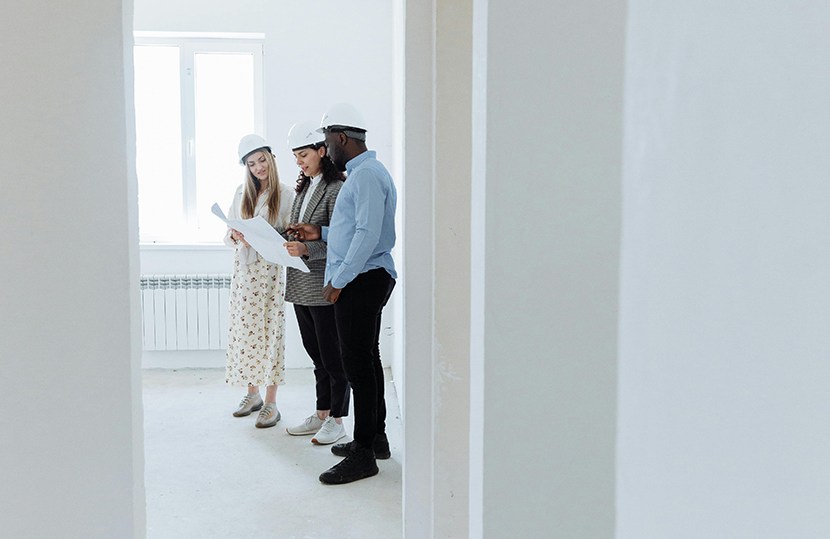
(Image courtesy of Thirdman/pexels.com)
RentCafe, Santa Barbara, Calif., has identified 90,300 apartment units in the process of conversion from offices.
That’s up 28% from a year earlier, setting another record. It’s also nearly four times more than in 2022.
Office conversions account for almost half of all future adaptive reuse projects nationwide, at 47%. That’s up from 42% last year. There are 193,900 planned projects in the pipeline.
Of the remaining projects, 18% are from hotels, 16% are from industrial properties, and healthcare facilities, schools, retail and government buildings make up 19%.
“COVID-19 is to the office market what e-commerce was to retail. As a result, there is simply too much office space in the market right now,” observed Peter Kolaczynski, director of Yardi Research (RentCafe’s parent company). In early 2025, the national office vacancy rate was around 20% and the physical occupancy in many buildings was around 50-55%.
And, one-third of U.S. office loans are set to mature by 2027, so owners are under pressure to figure out how to deal with underperforming properties.
“A massive amount of office building loans–over $213 billion–are coming due by the end of 2026. When loans mature, borrowers need to either pay them off or refinance them. The problem is that many of these office buildings have lost significant value largely due to remote work trends reducing demand,” said Doug Ressler, senior analyst and manager of business intelligence for Yardi Matrix.
However, many office-to-apartment conversions take a few years to complete, slowed by structural constraints, construction costs, financing issues and regulatory requirements.
The types of office buildings being converted into homes have also changed. Newer offices between the 1990s and 2010s make up 2% of completed projects but account for 6.4% of future conversions.
New York is on track to convert the most office buildings, with 16,358 rental units in the process. Next is Washington, D.C., with 8,479, Chicago, with 4,360, Los Angeles, with 4,340, and Dallas, with 3,966.
