

Improving Affordability, Emerging Spring Demand May Boost House Price Growth: First American
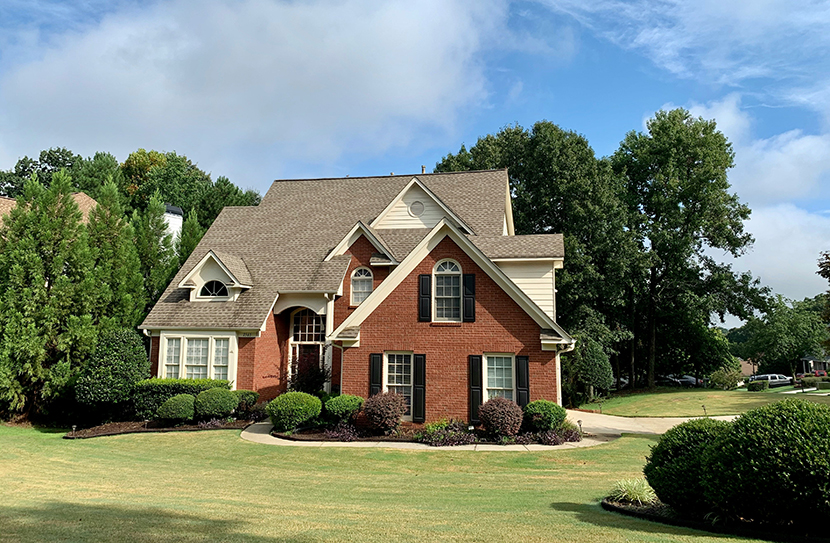
(House stock photo courtesy of Johnson via Unsplash)
Stronger monthly appreciation signals an early seasonal firming, even as prices remain below year-ago levels, says First American Data & Analytics, Santa Ana, Calif.
The firm’s March 2026 Home Price Index report said annual house price appreciation remained below 1% for the eighth consecutive month in March. House price growth reported in last month’s HPI report for January 2026 to February 2026 was revised up by 0.17 percentage point, from -0.02 % to +0.15 %.
“Nationally, house prices remain modestly below where they were a year ago, continuing to ease affordability pressures for prospective buyers,” said Mark Fleming, chief economist at First American. “Monthly price appreciation reached the strongest pace in nearly a year as the improved affordability and emerging demand for the spring home-buying season translates into renewed momentum and a firmer pricing environment”
March 2026 Local Market Price Tier Highlights
The report segments home price changes at the metropolitan level into three price tiers based on local market sales data: starter tier, which represents home sales prices at the bottom third of the market price distribution; mid-tier, which represents home sales prices in the middle third of the market price distribution; and the luxury tier, which represents home sales prices in the top third of the market price distribution.
“Local price trends reveal a pronounced regional divide,” Fleming noted. “Midwestern and Northeastern markets continue to lead with strong annual price gains, while many markets in the South and West remain below year-ago levels. Only nine of the top 30 markets we track recorded positive annual growth, highlighting just how widespread the softening in house prices has become. However, as the spring buying season ramps up, stronger monthly price gains suggest that further price declines may be over, but that momentum will depend on local supply and demand conditions.”
