
MBA Advocacy Update: MBANAC26, State and Local Workshop Recaps; GSE AI Updates; HFSC Subcommittee Hearing on Credit Access
Recapping MBA’s National Advocacy Conference
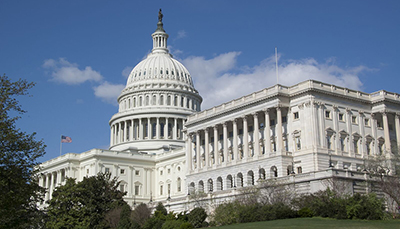
Last week, MBA’s annual legislative fly‑in brought roughly 600 real estate finance professionals from across the country to Washington, D.C., for two days of concentrated policy engagement, industry collaboration, and direct conversations with lawmakers.
• #MBANAC26 attendees heard from an impressive slate of speakers, including Senate Banking Committee members Mike Rounds (R-SD), Catherine Cortez Masto (D-NV), House Financial Services Chairman French Hill (R-AR) and key committee members Bill Foster (D-IL) and Josh Gottheimer (D-NJ), House Ways and Means member Rudy Yakym (R-IN), election analyst Charlie Cook and National Journal’s Kirk Bado, and more.
Go deeper: More than 439 MBA members from 43 states met with more than 300 lawmakers and congressional staff to discuss the most pressing issues shaping today’s housing finance landscape—from the need to refine and improve the current Senate version of the 21st Century ROAD to Housing package, credit score modernization, bank capital, affordability challenges, and the future of the secondary market.
• Once again, MBA hosted a dedicated CREF track, featuring discussions with key legislators, Treasury officials, Housing Solutions Coalition partners, and policy experts. Topics ranged from commercial/multifamily tax policy and CFPB/HMDA reporting concerns to insurance availability and cost pressures and the need for TRIA reauthorization.
• Congratulations to the 2026 Burton C. Wood Legislative Service Award winner Rich Jordan of Freedom Mortgage. Save the Date for NAC27 – April 6-7, 2027, in Washington, D.C. MBA thanks all of its event sponsors!
Why it matters: NAC provides a unique platform for industry professionals to engage with elected officials and regulatory leaders on issues that influence the real estate finance marketplace. These conversations ensure that real‑world expertise informs policy decisions, strengthens relationships on Capitol Hill, and contributes to a more stable and functional housing finance system. .
What’s next: MBA will continue working with members and industry advocates throughout the year on key policy priorities. One immediate opportunity: Mortgage Action Alliance (MAA) Action Week, taking place May 11–15. This nationwide effort aims to grow MAA membership, boost engagement with Calls to Action, and expand grassroots advocacy across the industry. And it is a free, accessible way for organizations and individuals to build on the momentum from NAC26 and keep the industry’s voice strong year‑round. Sign up to participate!
For more information, please contact Jamey Lynch, AMP at (202) 557-2818.
MBA State and Local Workshop Provides Empowerment Tools to Partner Associations
Last week, state and local real estate finance association leaders from nearly 50 associations traveled to Washington, D.C., to learn from each other and share best practices at MBA’s State and Local Workshop. Attendees engaged in panel sessions and open discussions on strategies to enhance their advocacy effectiveness and expand member value.
Why it matters: The industry’s 134 independent associations are essential to advancing real estate finance interests that benefit the industry and consumers at the state and local level. Their robust actions have led to an impressive string of legislative and regulatory accomplishments over the last decade.
• The group also explored new opportunities to partner on key national MBA programs, from MBA Education to mPower and mPact, and adding programs and services for commercial and multifamily lenders and servicers.
What’s next: MBA will continue to convene its partner associations through the State Relations Committee to continue the exchange of ideas and is already surveying this year’s participants for feedback to begin planning next year’s Workshop on April 5-6, 2027.
For more information, please contact William Kooper (202) 557-2737 or Ainsley Zimmer (202) 557-2796.
Key HFSC Panel Holds Hearing on FCRA and Credit Access
On Thursday, the House Financial Services Committee’s (HFSC) Subcommittee on Financial Institutions held a hearing entitled, “Promoting Access to Credit for Everyday Americans,” where lawmakers examined legislative proposals that could significantly alter what information appears on consumer credit reports, including the potential suppression of negative data, changes to Fair Credit Reporting Act (FCRA) liability, and expanded use of alternative data.
• Find a summary of the hearing here, and watch a livestream of the hearing here.
Why it matters: The requirement put in place long ago by the housing GSEs, FHA, and the VA that lenders must obtain a merged credit report from each of the three National Credit Reporting Agencies (NCRAs) – the so-called “tri-merge” mandate – was only briefly discussed (and was not the central focus of yesterday’s hearing). However, in advance, MBA submitted a statement on the need for credit reporting modernization for the official hearing record.
Go deeper: Several subcommittee members (on both sides of the political aisle) raised concerns about proposals designed to move away from comprehensive credit reporting, including efforts to eliminate certain debt categories (e.g., medical debt reporting), with certain witnesses and House members warning that incomplete credit files could increase default risk, distort debt‑to‑income calculations, and raise costs or restrict access to mortgage credit.
What’s next: As the FCRA-related issues raised at the hearing continue to be discussed by the subcommittee (and full HFSC) later this year, MBA will continue to urge lawmakers to weigh in with key regulators in support of our preferred credit report modernization outcomes – including the potential for the use of a single credit report option for borrowers with FICO scores of 700 or above.
For more information, please contact Rachel Kelley at (202) 557-2816 or Jeremy Green at (202) 557-2849.
Recap of Recent GSE AI Risk Management Requirements
On Wednesday, April 8, Fannie Mae issued new requirements for the use of artificial intelligence (AI) in loans delivered to the GSE.
• This follows a similar announcement by Freddie Mac, who previously released its own separate AI policies. These policies introduce expectations for lender AI risk management, including governance, controls, and oversight for AI-enabled tools used across the mortgage lifecycle.
Why it matters: Lenders that use AI may need to update risk management practices to comply with new GSE requirements. Importantly, these requirements diverge significantly, with Freddie Mac including a more prescriptive reporting requirement and requiring seller/servicers to indemnify the GSE against their use of AI.
• The lack of alignment between the Fannie Mae and Freddie Mac policies could create operational and compliance challenges for lenders that sell loans to both enterprises. Both frameworks would benefit from greater clarity and a more balanced approach to AI risk management expectations.
What’s next: MBA is engaging with the GSEs to encourage collaboration and greater consistency in AI risk management expectations. MBA is also urging participation in the upcoming MISMO initiative to support the development of a common mortgage-industry AI risk framework.
For more information, please contact Rick Hill at (202) 557-2718.
MAA Action Week, May 11-15: Sign Up to Run a MAA Enrollment Campaign
On May 11–15, MBA will rally members nationwide to engage with policymakers, share their stories, and help shape the future of real estate finance during MAA Action Week.
SIGN UP to lead a campaign at your company or state association and help grow MBA’s FREE grassroots network of industry professionals. Your participation strengthens our collective impact and ensures our voice is heard.
Why it matters: A strong grassroots campaign does more than raise awareness — it builds a lasting advocacy engine that drives progress well beyond Action Week. When companies mobilize their teams, participation grows, momentum builds, and policymakers hear directly from the professionals shaping the residential mortgage landscape. With more than 100 organizations joining us last year, 2026 is our moment to set a new benchmark.
• MBA provides ready‑to‑use resources—email templates, social content, active MAA rosters, and more—making participation simple and efficient.
What’s next: Let’s make this milestone year truly monumental. Complete our sign-up form, and we will begin preparing your customized campaign materials.
For more information, please contact Jamey Lynch, AMP at (202) 557-2818.
Upcoming MBA Education Webinars on Critical Industry Issues
MBA Education continues to deliver timely single-family programming that covers the spectrum of challenges, obstacles and solutions pertaining to our industry. Below, please see a list of upcoming and recent webinars – all complimentary to MBA members:
• Closing the Performance Gap: What Top-Tier Mortgage Lenders Do Differently – May 13
• State of the Market: Tech Trends Shaping the Future of Mortgage Lending – May 14
• FHA Credit Watch Program: Revisiting Delinquency Trends and Remediation – May 14
• Structuring the SAR Narrative: A Four-Part Framework That Works – May 19
• Analyzing the 2025 Mortgage Market: A Deep Dive into New HMDA Data – July 22
MBA members can register for any of the above events and view recent webinar recordings by clicking here.
For more information, please contact David Upbin at (202) 557-2931.
